01
Expand patient access
Treat patients who are hesitant or contraindicated for ketamine.
A clinically studied, practice-ready
alternative to ketamine-based therapy
Evidence-based efficacy. A well-understood safety profile. Drop it into your existing depression program without disrupting workflow.
In use at psychiatric and ketamine clinics including
Why clinics are adding it
Ketamine made rapid-acting antidepressant care a category. Nitrous oxide removes many of the barriers that limit scale, access, and patient acceptance.
Treat patients who are hesitant or contraindicated for ketamine.
No DEA scheduling. No REMS program. No complex drug handling.
Deliver fast-acting treatment without IV infusions or long chair time.
Add a new modality without replacing your existing ketamine program.
Patients return to clear function within minutes after treatment.
150+ years of safe medical use across multiple specialties.
Not a replacement. A strategic expansion.
Side-by-side analysis
How the two modalities compare across the dimensions that matter most to clinic owners and medical directors.
Not a replacement. A strategic complement that expands patient access, reduces administrative burden, and improves clinic economics.
Practice growth
Clinics report strong financial performance from low consumable costs, short session duration, high patient interest, and the ability to bundle with existing treatment plans.
Shorter sessions allow for more daily appointments.
Serve patients who cannot or will not use ketamine.
New revenue stream without increasing overhead.
Low consumables. Short sessions. High patient interest.
Peer-reviewed research
Multiple controlled studies show that inhaled nitrous oxide produces rapid and durable antidepressant effects — particularly in treatment-resistant populations.
Significant reduction in depressive symptoms within hours of a single session.
Effects observed up to two to four weeks after a single treatment.
25% concentrations show comparable efficacy with fewer side effects.
Better tolerability profile compared to ketamine in published studies.
Safety profile
Nitrous oxide has been safely used for decades in anesthesia, emergency medicine, dentistry, obstetrics, and pediatrics. With proper scavenging and delivery, it offers one of the highest safety margins in clinical medicine.
No DEA scheduling required.
Simplified compliance and administration.
Patients recover within minutes — no extended monitoring.
Minimal systemic metabolism, predictable clinical course.
The system
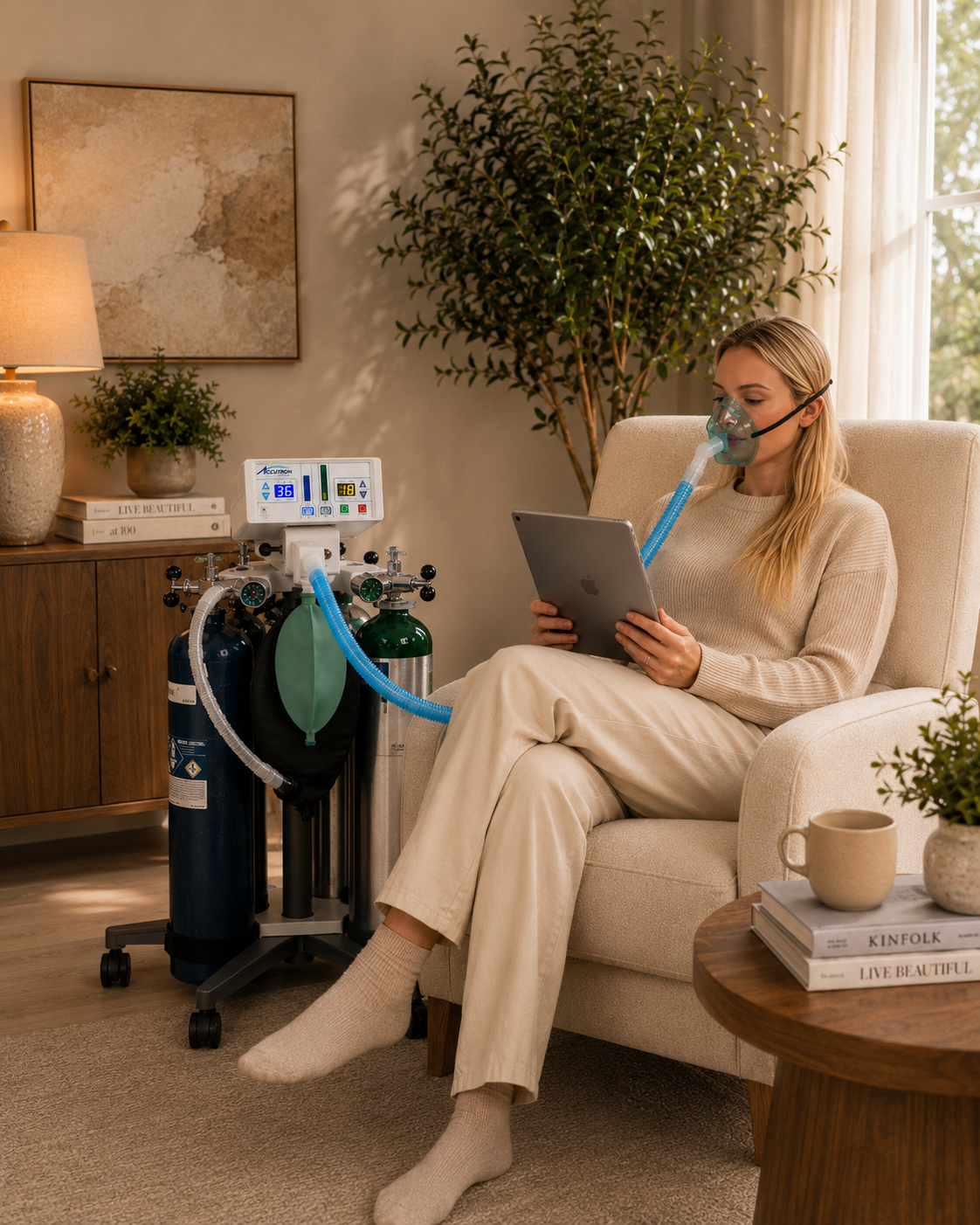
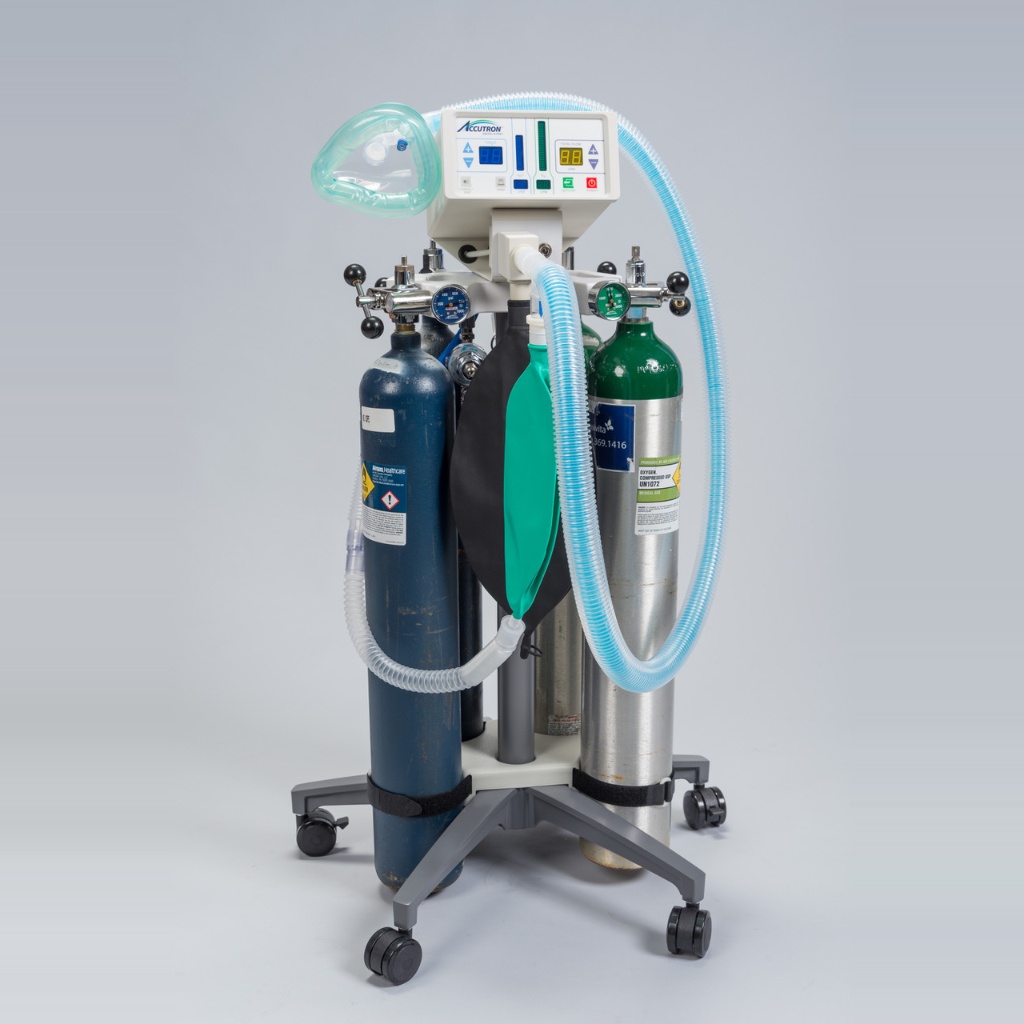
The NitrousSeal® system is engineered specifically for controlled, compliant, clinical use — not a retrofitted dental rig.
No infusion chairs. No IV supplies. No pharmacy handling.
Staff protection
Occupational exposure matters. NitrousSeal® includes a high-efficiency scavenging system designed to keep your team safe across recurring sessions and multiple daily treatments.
High-efficiency scavenging system catches nitrous at the source.
Meets workplace safety standards for clinical environments.
Essential for clinics running recurring, multi-daily sessions.
Clinic integration
Nitrous oxide treatment integrates easily into existing clinic operations.
Standard intake and consent process.
Simple, non-invasive setup.
Patient-controlled administration.
Brief monitoring post-treatment.
No escort required in most cases.
Who it's for
Add a complementary option for diverse patient needs.
Treating treatment-resistant depression with evidence-based therapies.
Expand your specialized treatment offerings.
Adopting emerging therapies backed by clinical evidence.
Frequently asked
Nitrous oxide is FDA-approved as an inhalation anesthetic and is widely used off-label in clinical settings, including for emerging psychiatric indications. It is not a controlled substance and does not require a REMS program.
Both act on the NMDA receptor and produce rapid antidepressant effects. Nitrous oxide is mask-delivered, has minutes-long clearance, requires no IV, and has a 150+ year safety history — making it easier to administer at scale than ketamine. See the comparison table above for the full breakdown.
In a controlled clinical setting with metered delivery and integrated scavenging, addiction risk is negligible. Treatment is administered by trained staff with patient-controlled, time-limited inhalation.
Published trials have used concentrations between 25% and 50% N₂O, with 25% showing comparable antidepressant efficacy and fewer side effects than higher doses. Your clinical protocol should be guided by current literature and your medical director.
No. NitrousSeal is positioned as a strategic complement — a way to capture patients who decline ketamine and to expand maintenance and hybrid protocols. Most clinics run both modalities side-by-side.
Existing licensed clinical staff can be trained on the NitrousSeal system in a single session. We provide onboarding, documentation, and ongoing support as part of every implementation.
Research library
16 peer-reviewed studies underlying the statements on this page. Download any paper, or take the clinician brochure with you.
Download clinician brochure (PDF)Talk to a specialist